

A perfume does not begin with a single ingredient. It begins with an idea.
With an atmosphere, a memory, a particular light. With cool morning air, the warmth of wood in the evening, or the feeling of openness above the valley.
ACQUA ALPES translates such Alpine moments into fragrance. Individual ingredients become compositions, facets become accords – until a perfume acquires its own signature.
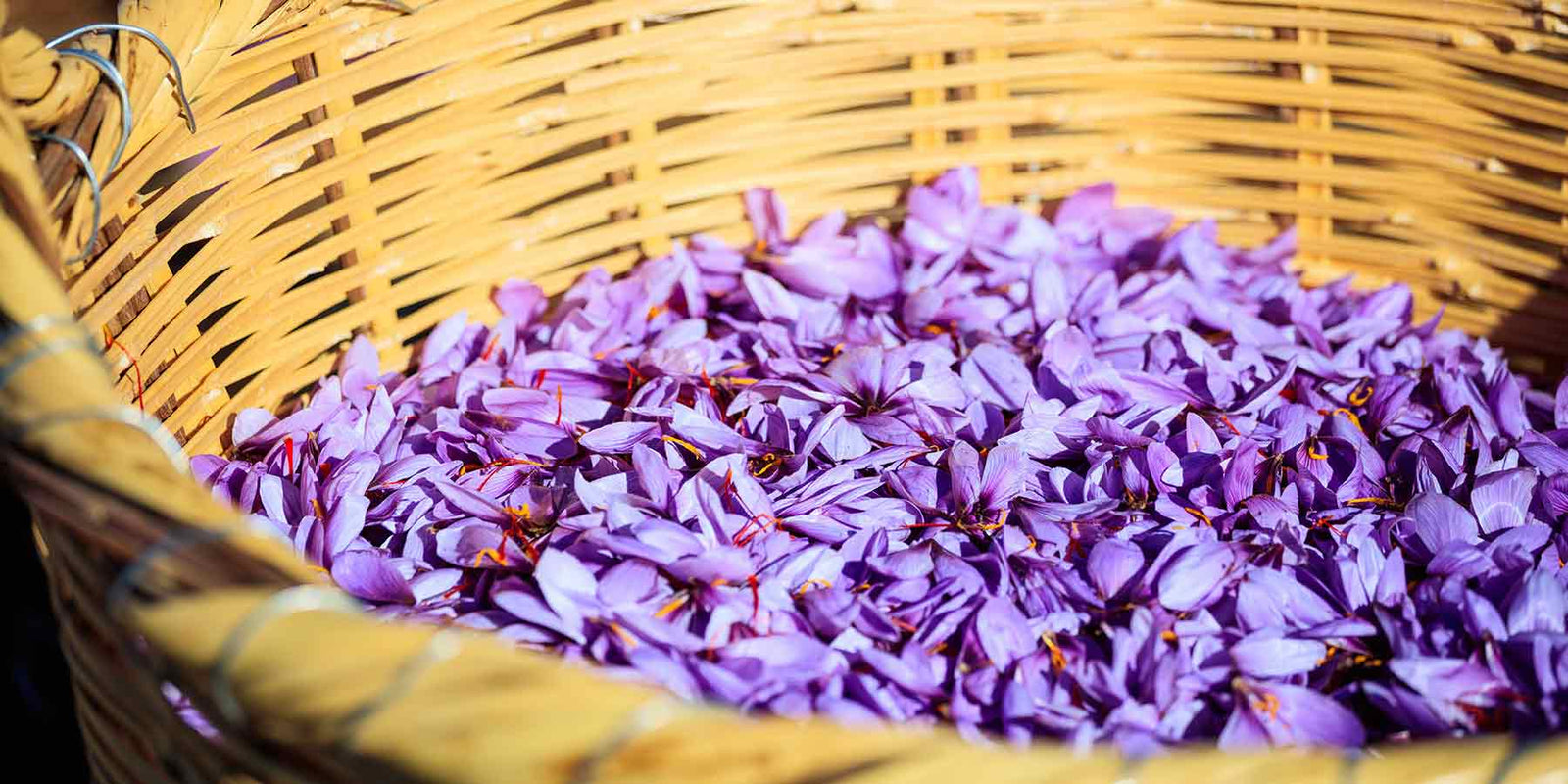
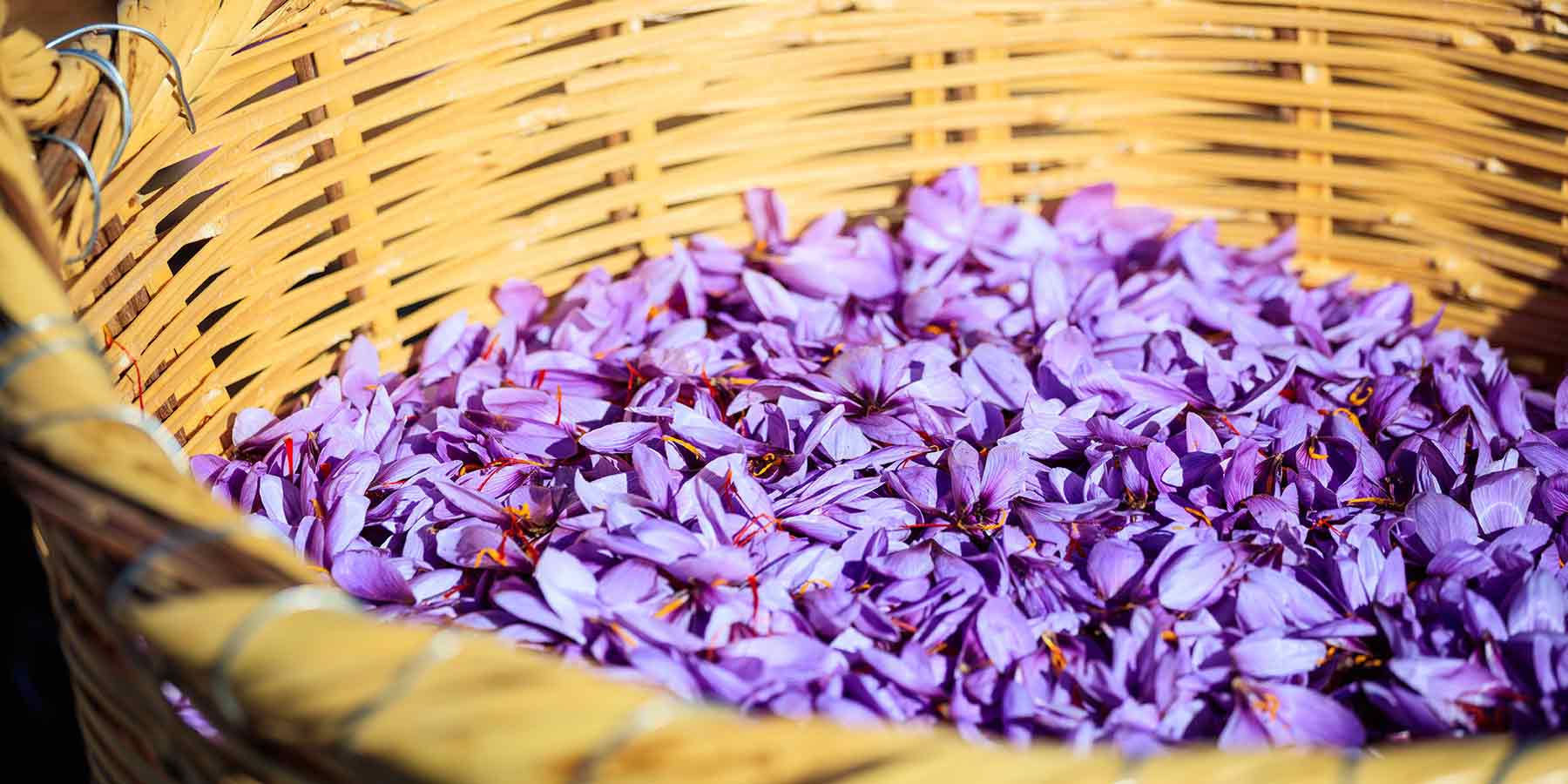
Before a fragrance takes shape, there is an image in the air.
Perhaps it is the first light on pale stone. The crisp air of an early morning. A cultivated garden in early summer. Or a warm evening in an interior of wood, cashmere and glass.
These impressions are not recreated literally. They are interpreted olfactorily.
A fragrance can convey brightness without smelling of sunshine. It can evoke cool air without requiring a single “Alpine” raw material.
Perfume is translation.
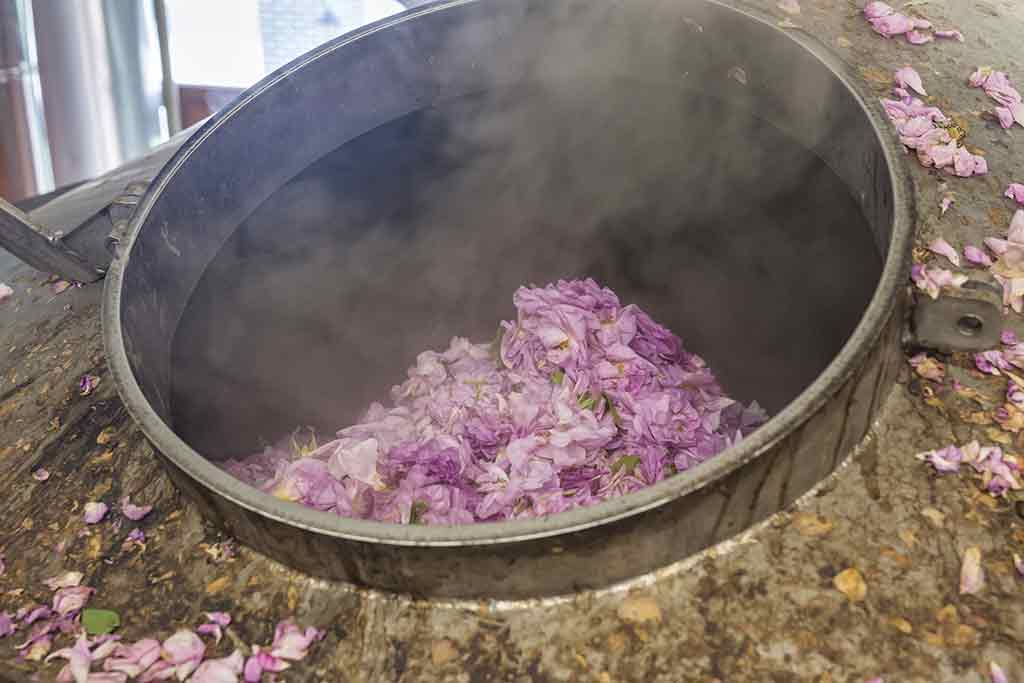
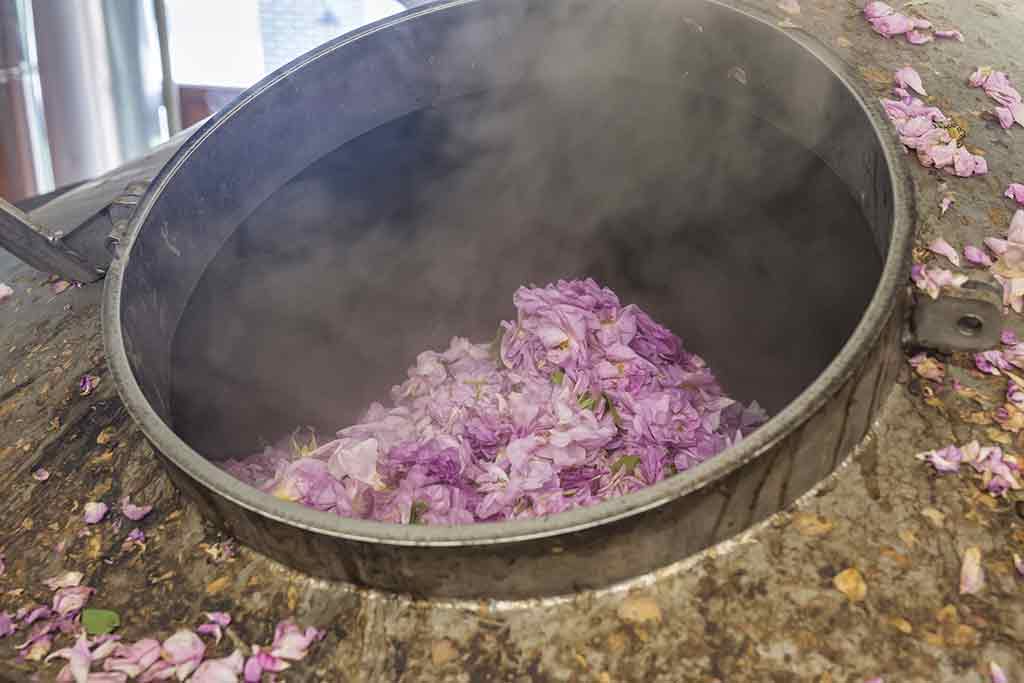
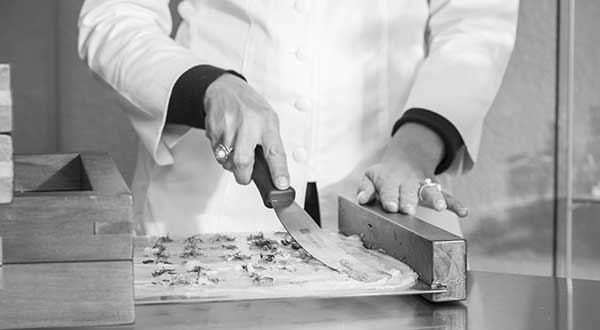
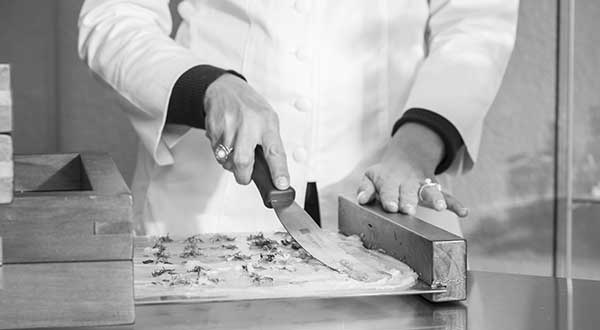
As in a fine kitchen, the outcome is not determined by a single ingredient.
What matters is selection, proportion and interplay.
A citrus facet can lend a composition light and movement. Flowers can open it up, making it softer or more sensual. Woods create contour and depth. Spices introduce tension. Musk notes can bring a fragrance close to the skin.
Yet only together do they become something distinctive.
The character of a perfume therefore lies not in the sum of its individual ingredients, but in the way they are brought together.
Modern perfumery draws on a great diversity of ingredients. Natural essences meet modern fragrance components, opening up a broad olfactory palette for the perfumer.
Natural essences can possess a multi-layered olfactory structure. Their fragrance profile may be shaped, among other things, by the source material, its origin and the method of extraction.
Modern fragrance components expand this palette with further nuances and possibilities. They enable precise facets and accords, giving the perfumer additional freedom in shaping a composition.
For ACQUA ALPES, it is therefore not a single ingredient that takes centre stage, but its interplay within the composition.
What matters is the role a fragrance material plays within the composition.
A perfume evolves.
The first impressions may be bright and immediate. Other facets reveal themselves only after a few minutes. Still others remain on the skin as a warm, woody, mineral or soft echo.
This movement arises through balance.
Sometimes a composition needs contrast. Sometimes calm. Sometimes a small shift in the proportion of two facets is enough to alter its entire character.
The art of perfumery therefore also means reduction and precision: knowing what a composition needs – and what it does not.
The numbers on the perfumes by ACQUA ALPES refer to the altitudes of Alpine peaks.
2221 m · Seefelder Spitze.
2828 m · Pirchkogel.
4478 m · Matterhorn.
Each peak gives a composition an emotional setting. Its atmosphere, the light, the temperature or a particular moment can become the inspiration for a fragrance.
That does not mean, however, that the fragrance materials used come from that peak or its immediate surroundings.
Inspiration and the actual origin of a fragrance material are two different things.
It is precisely this freedom that makes perfume an interpretation: the mood of a place can arise through ingredients from the most diverse olfactory worlds.
Our perfumes do not tell the story of the Alps as a collection of supposedly Alpine ingredients.
They speak of moments.
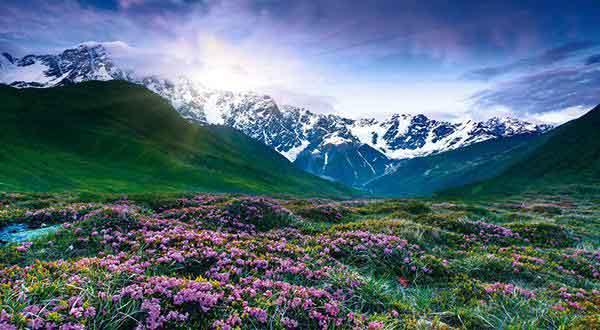
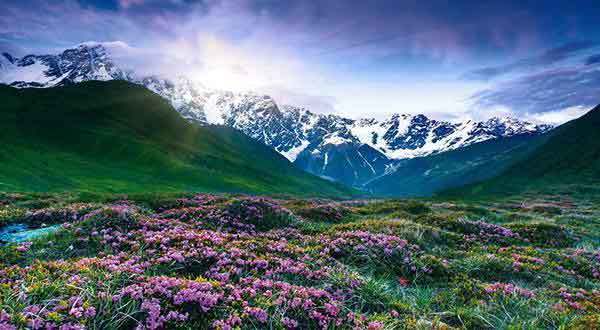
Of clarity and openness. Of light on stone. Of a garden in the morning and a cultivated evening. Of cool air, warm wood and the distinctive atmosphere of the Alpine world.
The ingredients give us the palette.
The composition transforms it into a memory in fragrance.
Discover the perfumes of ACQUA ALPES.